
Want to become a driving instructor in BC? Learn about ICBC eligibility, practical experience, instructor training, assessments and career paths for passenger and commercial driving instructors.
Becoming a driving instructor in British Columbia is not simply a matter of being a good driver.
That distinction matters.
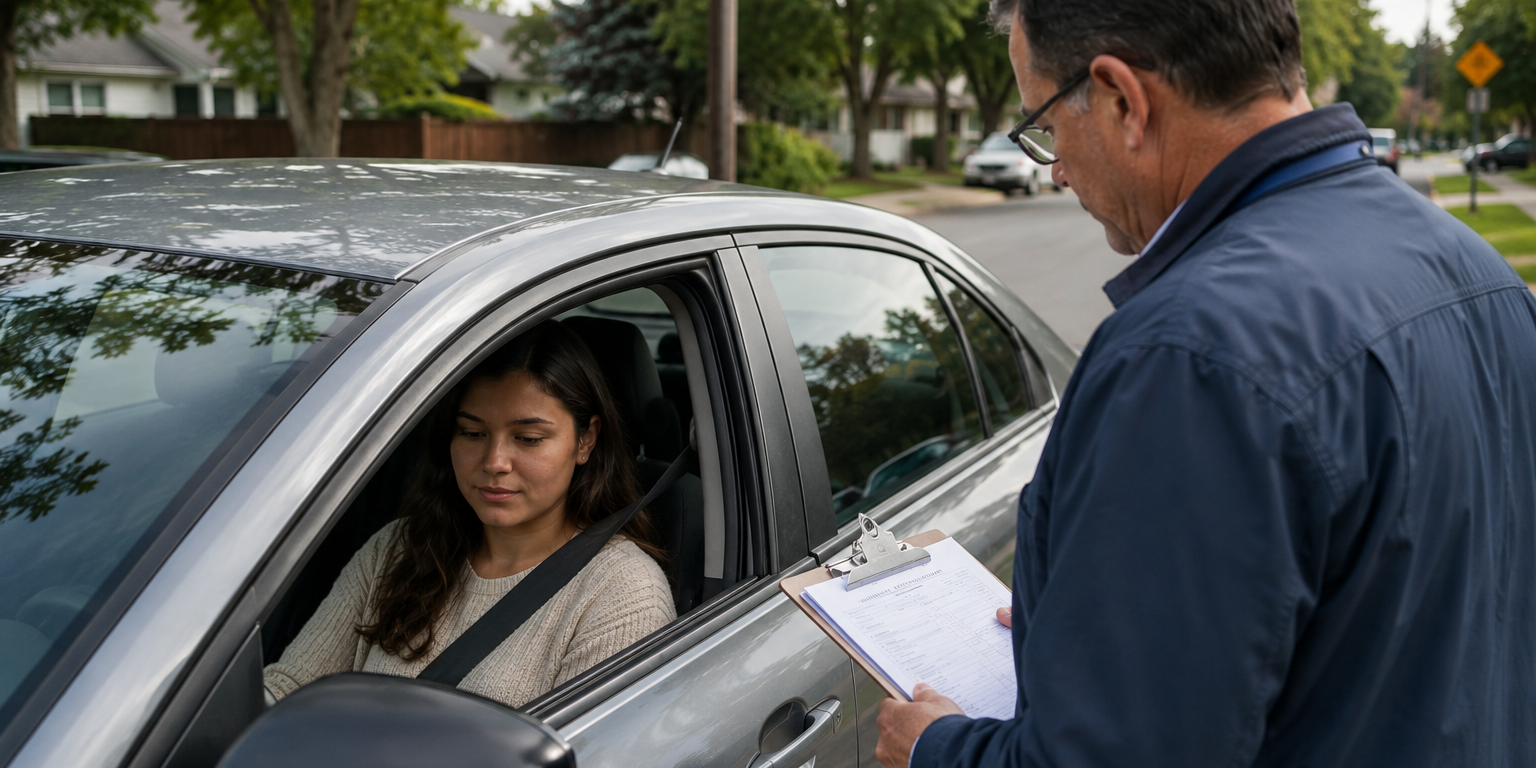
A person may have driven safely for 15 years and still need to develop the ability to observe another driver’s mistakes, explain complex manoeuvres clearly, manage risk from the passenger seat and assess whether someone is genuinely ready to drive independently.
This guide explains the current pathway, including verified ICBC driving instructor requirements, instructor assessments and career considerations for commercial driver instruction.
What does a driving instructor actually do?
A professional driving instructor teaches more than vehicle operation.
Depending on their licence class and area of specialization, an instructor may help learners understand:
- Vehicle control and safe driving habits
- Hazard perception and defensive driving
- Pre-trip inspections
- Commercial vehicle operation
- Air brake procedures
- Manoeuvring and backing
- Road-test preparation
- Workplace or employer-required driver assessments
The job also requires observation. An instructor needs to notice why a driver is struggling.
For example, repeated hard braking may be caused by poor following distance, delayed hazard recognition or lack of confidence rather than simply a problem with braking technique. Effective instruction identifies the underlying issue and addresses it.
What are the ICBC driving instructor requirements?
ICBC states that applicants seeking to teach practical driver training in British Columbia must meet specific eligibility requirements.
To apply to become a practical driver training instructor, ICBC says you must generally:
- Be at least 19 years old
- Hold a valid BC driver’s licence in the class you intend to teach
- Have at least three years of driving experience in that licence class
- Have at least five years of full-privilege experience for Class 1 instruction
- Have fewer than 10 points on your driving record during the previous two years
- Have no ICBC affiliation that creates a conflict of interest
ICBC notes that separate requirements apply to air brake instruction, including holding an air brake certificate of qualification.
Do you need driving instructor training in BC?
For most applicants, ICBC requires completion of an instructor training course through an ICBC-authorized instructor training facility.
BC regulations state that, after acceptance by an instructor training facility, an applicant must complete an approved driver training instructor course and qualify on examinations required by ICBC.
There is also an Instructor Challenge Program for certain experienced driver-training professionals. However, ICBC is clear that this alternative is not intended for most applicants and is designed for people who already have substantial driver-training experience in British Columbia.
How Extreme Pro’s Instructor-Only Assessment fits into the picture
Extreme Professional driver training offers an instructor-only assessment service designed to provide an instructor for employee evaluations, including pre-hiring assessments and assessments connected with safety concerns or a return to previous duties following an injury.
The key value of this type of assessment is its focus on observing and evaluating actual driving performance rather than assuming that a licence alone answers every workplace question.
For employers, that can support more informed decisions about driver readiness and training needs.
For professionals interested in the broader field of commercial driver training, it also demonstrates an important career reality: experienced instructors may work across training, evaluation, retraining and workplace safety support.
Career paths for a commercial driving instructor in BC
A driving instructor’s career can develop in different directions depending on licence qualifications, practical experience and instructional specialization.
| Career direction | What the work may involve |
| Passenger vehicle instruction | Teaching new and developing drivers |
| Commercial vehicle instruction | Training drivers for specific commercial licence classes |
| Driver assessment | Evaluating practical ability and identifying skill gaps |
| Workplace retraining | Supporting drivers who need additional instruction |
| Specialized instruction | Teaching within specific vehicle or endorsement categories |
| Driving school operations | Working with or eventually operating within a licensed training environment |
Job Bank currently describes employment prospects for this broader occupational category in BC as Moderate for the 2025-2027 period.
So, is becoming a driving instructor in BC the right career move?
This career tends to suit people who enjoy responsibility and teaching as much as driving.
You may be a strong fit if you:
- Have substantial experience in the vehicle class you want to teach
- Can remain calm when another person makes mistakes
- Enjoy explaining technical skills repeatedly
- Notice details others may miss
- Take road safety seriously
- Can separate assessment from assumption
The biggest mistake is pursuing a career solely because you enjoy driving.
Professional instruction is a people-focused role. Your driving experience gives you the foundation, but your ability to teach, observe and assess determines how effectively you can use that experience.
For aspiring instructors and commercial driving professionals, the practical next step is to first verify your eligibility against current ICBC requirements and then identify the type of instructional or assessment work you want to pursue.