
A Class 4 restricted licence and a Class 4 unrestricted licence are both commercial licences. The difference is in the vehicles and passenger capacities they authorize. If your goal is limited to certain taxi, limousine or small passenger transportation roles, restricted Class 4 may be enough. If you want access to a broader range of buses and passenger transportation vehicles, Unrestricted Class 4 offers a wider scope.
Before enrolling in Class 4 driver training BC, it helps to work backwards from the career you actually want.
What is the difference between Class 4 Restricted and Unrestricted in BC?
The simplest answer is this:
| Licence type | Vehicles you may operate |
| Class 4 Restricted | Taxis and limousines carrying up to 10 people including the driver, ambulances, certain special vehicles transporting people with disabilities, and Class 5 vehicles |
| Class 4 Unrestricted | Buses with a maximum seating capacity of 25 people including the driver, including certain school buses, special activity buses and special vehicles for transporting people with disabilities; taxis, limousines, ambulances and Class 5 vehicles |
The critical distinction is the bus restriction and passenger capacity.
ICBC’s licence restriction system identifies restriction 17 as “not permitted to operate buses restricted class 4 licence.” In other words, a restricted Class 4 licence is not simply a shorter version of unrestricted Class 4. It can directly affect which jobs and vehicles you can pursue.
What vehicles can you drive with a Class 4 Restricted licence?
A Class 4 restricted licence in BC can be suitable for drivers whose intended work involves smaller passenger-directed vehicles.
BC’s driver fitness guidance describes restricted Class 4 privileges as including:
- Taxis and limousines carrying up to 10 people, including the driver
- Ambulances
- Special vehicles with seating for no more than 10 people, including the driver, used to transport people with disabilities
- Vehicles that can be driven with a Class 5 licence
This may suit someone whose career goal is specifically focused on smaller passenger transportation.
What does a Class 4 unrestricted licence allow you to drive?
A Class 4 unrestricted licence BC provides access to a broader range of passenger vehicles.
According to BC’s licence-class guidance, an unrestricted Class 4 licence can cover:
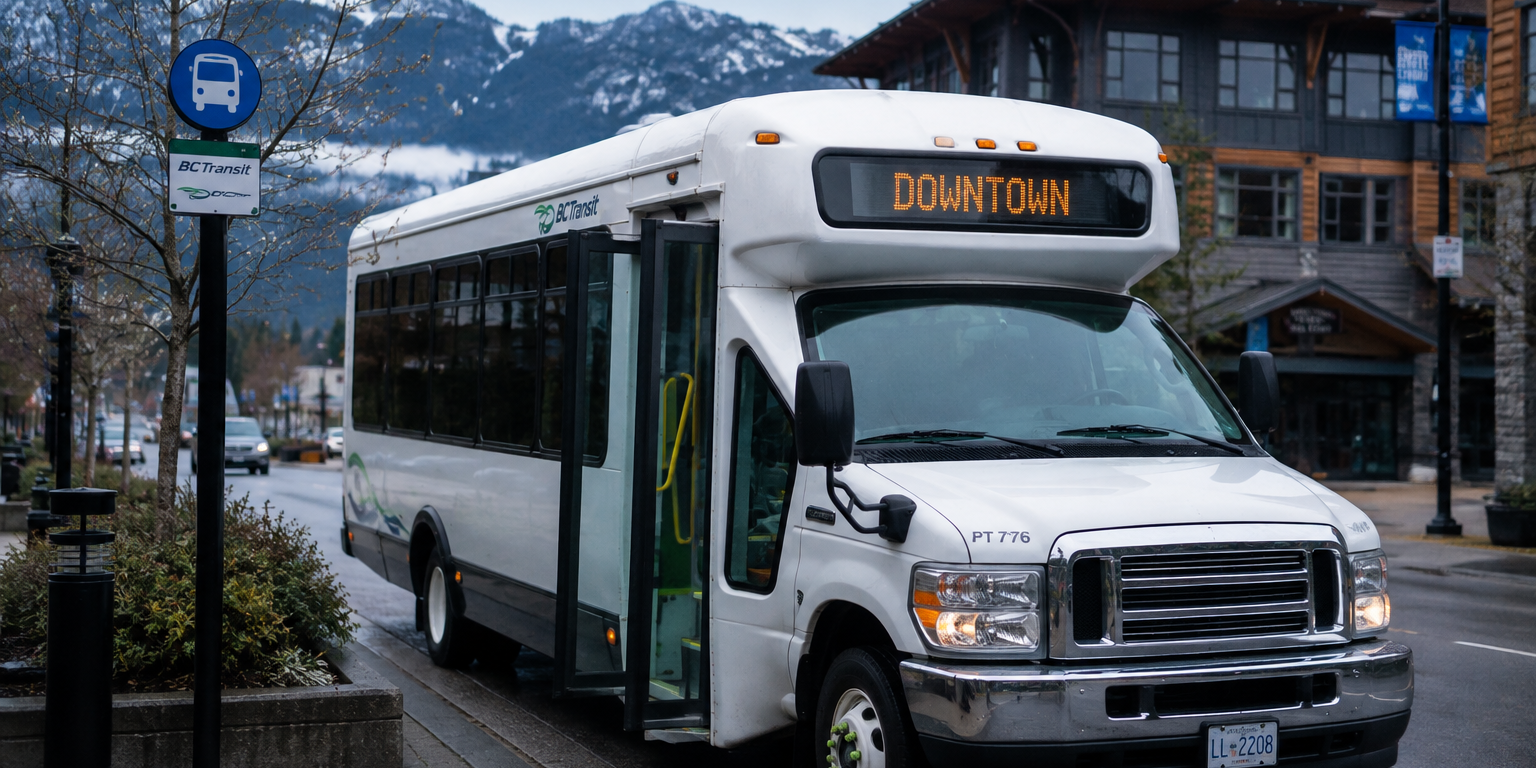
- Buses with a maximum seating capacity of 25 people, including the driver
- Certain school buses and special activity buses
- Special vehicles used to transport people with disabilities
- Taxis and limousines
- Ambulances
- Class 5 vehicles
This broader authority can matter if you are considering roles involving:
- Small shuttle or passenger buses
- Tourism and charter transportation
- Community transportation services
- Certain disability transportation services
- Ambulance driving
- Taxi and limousine work
Class 4 Restricted vs Unrestricted: Which one should you choose?
The better licence depends on the job you are working toward, not simply which option appears easier.
Choose Restricted Class 4 if your career target is narrow
Restricted Class 4 may make sense if you know your intended work will remain within smaller vehicles covered by the restricted licence.
For example:
- Taxi driving
- Limousine services
- Certain small passenger transportation roles
- Certain ambulance or specialized transportation roles
Choose Unrestricted Class 4 if you want broader passenger-driving options
Unrestricted Class 4 may be the stronger choice if you want the ability to operate qualifying buses with up to 25 seats, including the driver.
That broader vehicle authorization can make more sense for someone who has not yet committed to one specific passenger transportation niche.
The practical question is:
Could the job I want in two years require me to drive a small bus?
If the answer might be yes, understanding the unrestricted pathway before choosing training can prevent an unnecessary mismatch between your licence and career direction.
Is Class 4 driver training required?
Professional Class 4 driver training BC can help applicants prepare for the parts of commercial testing that are different from ordinary passenger-car driving.
The challenge is not just operating the vehicle.
Commercial testing evaluates how you inspect, control and operate it.
Training may help drivers practise:
- Defensive driving
- Vehicle positioning
- Backing
- Pre-trip inspection procedures
- Commercial road-test preparation
Extreme Professional Driver Training’s Class 4 unrestricted driver training program provides one-on-one instruction with an ICBC-certified instructor and includes a driving assessment, defensive driving, backing and pre-trip inspection preparation. The program also provides the use of a Class 4 vehicle for the ICBC road test.
The better Class 4 choice is the one that matches your destination
If your intended work is limited to smaller passenger vehicles, a Class 4 restricted licence may provide the authority you need.
If you want access to a broader range of qualifying buses and passenger transportation vehicles, a Class 4 unrestricted licence gives you more flexibility.
That distinction should come before you book your training.
Before applying, confirm your individual eligibility and current testing requirements directly with ICBC, as commercial licensing rules and requirements can change.