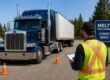


Wondering about how to get into the trucking industry and confused about the options, you’re not alone. The rising demand for skilled drivers across Canada is real, and it continues to grow, and British Columbia is no exception. But before you hit the road, you need to understand the Class 1 license British Columbia process because it’s not just about driving; it’s about doing it safely, professionally, and legally.
This guide will help you understand everything in a way that will actually tell what you need to know if you’re serious about how to become a truck driver in BC in 2026.
Why Choose Truck Driving In British Columbia?
This is the very obvious thing to start with. Why should you choose truck driving in Canada? Due to:
- High Demand across the province
- Competitive pay due to demand
- You get the opportunity to travel
- Clear growing career path
According to the Canadian labor market, trucking in Canada remains one of the most stable and blue-collar careers. If you meet the truck driver’s license requirements in Canada, you’re genuinely stepping into a field that actually is growing and needs trained professionals.
What Is A Class 1 License In BC?
A Class 1 license in British Columbia is specifically designed for people who are operating heavy vehicles that are primarily used in freight and long-haul transportation. A Class 1 license is essential for anyone who is serious about building a career in trucking.
With a Class 1 license, you can operate semi-trailer trucks and all the vehicles that are using licenses under Classes 2, 3, 4 and 5.
Step-by-Step: How To Get A Class 1 license In British Columbia
Let’s walk through each of the steps that make achieving a Class 1 license doable.
-
Meet The Basic Eligibility Criteria:
Before anything else, you have to tick the basic eligibility that is required for a Class 1 license in BC. You must be
- Of 19 years of age
- Hold a valid Class 5 license; it should be full, not learner’s license
- Have a clean driving record
- Already passed a medical exam
Honestly, this is a starting point for anyone who is serious, and this is non-negotiable.
-
Pass The Knowledge Test:
Now comes the real checkpoint; you will need to clear the written knowledge test. This test helps you understand:
- Road signs and traffic rules
- Commercial driving regulations
- Safety protocols
- Air brake basics
Most people already find this manageable if they focus a bit on it. Go through ICBC guidelines; you can easily manage this with a little more focus.
-
Enroll In Mandatory Entry-Level Training (MELT)
Here’s where things start to get real. Since 2021, British Columbia has required Mandatory Entry-Level Training (MELT) for all Class 1 drivers.
This includes:
- Minimum 140+ hours of training
- In-class theory
- Yard training
- On-road driving
If you are considering Class 1 training in British Columbia, make sure the program you opt for is MELT certified; this is non-negotiable.
If you’re comparing your options, it is good to take time to explore and look at Class 1 driver training programs that go beyond just helping you pass the test. The right program will help you prepare for real industry exposure and skills and not just basic certification.
-
Air Brake Endorsement (Code 15)
Most heavy trucks in Canada are already using air brakes, so this is something that you can’t miss. You should have an air brake endorsement.
This involves:
- A separate knowledge test
- Practical training
- Pre-trip inspection skills
The air brake test is not just another topic; it is critical for safety and a common area where most learners struggle.
Here’s a simplified breakdown:
| Component | Function |
| Air Compressor | Generates compressed air |
| Reservoir Tanks | Store compressed air |
| Brake Chambers | Convert air pressure into force |
| Slack Adjusters | Adjust braking force |
| Foot Valve | Controls braking when you press the pedal |
And the reason why most failures happen during air brake inspection tests is not because it is hard but because candidates rush through it. So you must take your time to understand it.
-
Pass The Road Test:
This is the final step; the road test evaluates the following:
- Pre-trip inspection
- Basic vehicle control
- Coupling & uncoupling
- Defensive driving skills
- Real-world road performance
Here the pressure is real, and most students can already feel it, and hence they rush and make mistakes. If you want an edge, you can learn some common mistakes to avoid during the Class 1 license test.
Some Common Skills That Make A Great Truck Driver
Getting skills is one thing, but being good and mastering the skills is another.
Here are a few skills that actually matter in the trucking industry:
- Patience on long routes
- Physical and mental stamina
- Time management
- Safety-first mindset
These are the skills that employers are looking for beyond the truck driver license requirements in Canada.
Salary Structure Of Class 1 Licensed Drivers In BC
Let’s understand the salary structure and what affects the pay through a detailed table:
| Experience Level | Estimated Salary (CAD/year) | Key Factors Affecting Pay |
| Entry-level drivers | $50,000 – $65,000 | Limited experience, mostly local or short-haul routes |
| Experienced drivers | $70,000 – $95,000+ | More driving experience, better companies, consistent routes |
| Long-haul drivers | $100,000+ | Long-distance routes, specialized loads, higher-demand roles |
Final Thoughts
If you are looking for a career that offers stability, has demand and earning potential, then this is one of the few paths that can directly affect your income.
But don’t rush; take your time to understand the system, especially the air brakes, and learn from others mistakes. This is what really sets them apart, some are just licensed, while others take time to understand and build a long-term career in it.
Still unsure if this is right for you or not?
Then you can directly talk to our counselors and clear all your doubts to get clarity on how the training looks, timelines, and job opportunities available.
FAQs:
- How hard is it to get a Class 1 license in Canada?
Honestly it is not that hard, but it requires some level of commitment. The MELT training ensures that you are properly theoretical and practically trained.
- Can I get a trucking job right after training?
Yes, you can get a job right after training from your institute right after your Class 1 training since many companies hire fresh graduates.
- Do I need an Air Brake endorsement separately?
Yes, you need an air brake endorsement separately for vehicles that use air brakes; without it, you cannot drive heavy vehicles that use air brakes.